Critical Essays
Scholarly articles on Ethiopian modernism, postcolonial aesthetics, and emerging practices from leading voices in the field.

የሰው ልጅ ሁኔታ እና “ዓለምን የማስተካከል” የማይቻል ተልዕኮ ጥበብ፣ ሥልጣን፣ ማህበራዊ ውል እና የጋራ ዓለም ግንባታ -02New
የየሰፈርሰው አርታኢ ማስታወሻ ይህ ጽሑፍ የየሰፈርሰው የትችታዊ ጽሑፍ ተከታታይ አካል ሆኖ፣ በጥበብ፣ በማህበረሰብ፣ በባህል፣ በተቋማዊ ኃላፊነት እና በወደፊቱ የጥበብ ልምምድ ላይ የትችትና የውይይት መድረክ ለመፍጠር የታሰበ ነው። የሰፈርሰው ጥበብን እንደ አውደ ርዕይ የሚቀርብ ነገር ብቻ ሳይሆን፣ እንደ ምርምር፣ ውይይት፣ ትውስታ፣ ተሳትፎ እና ማህበራዊ ምናብ የሚታይ የሕይወት መስክ ይመለከታል። ምርምር። አገናኝ። ተማር። አሳትም። ፍጠር። ተመንደግ
Read Essay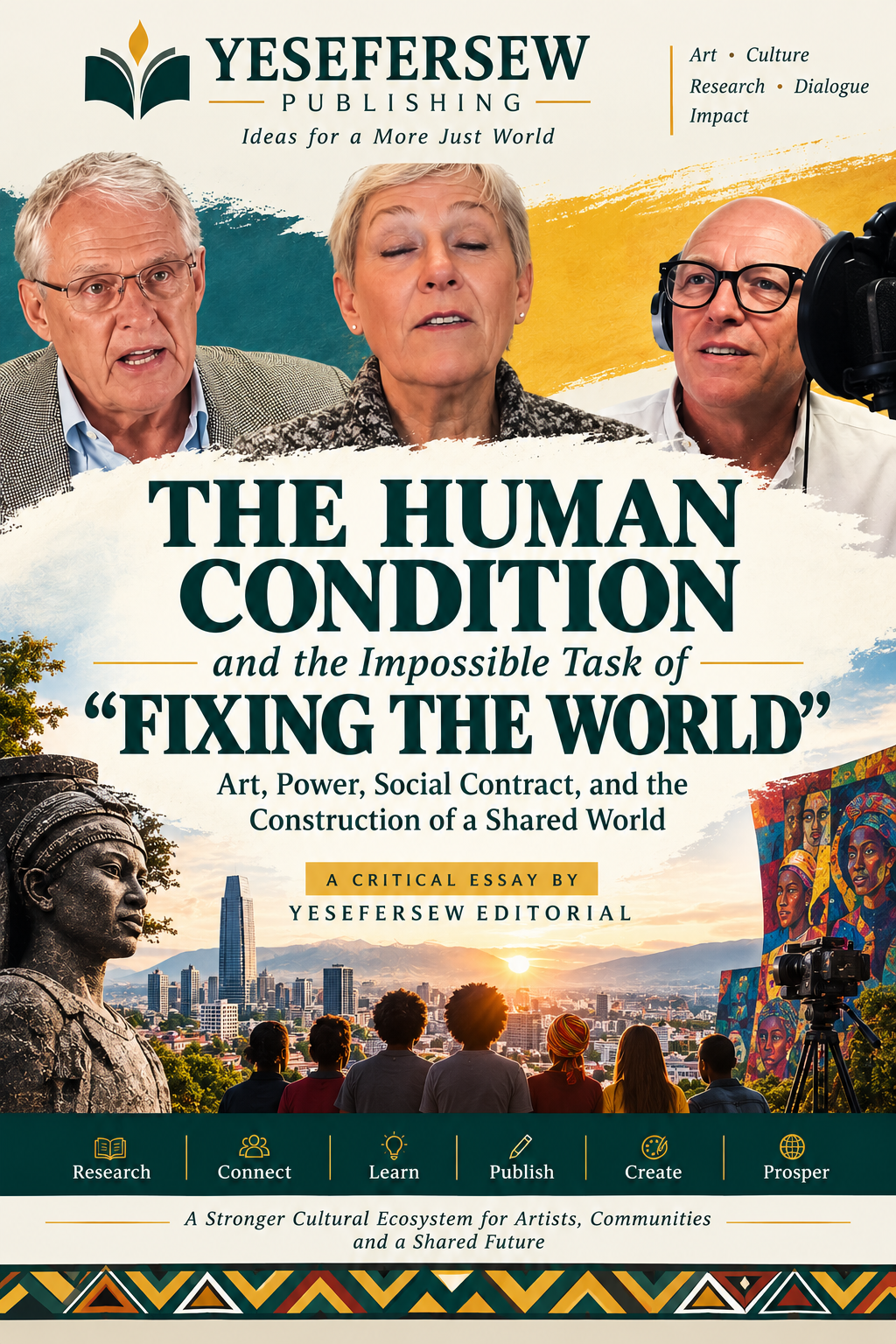
THE HUMAN CONDITION AND THE IMPOSSIBLE TASK OF “FIXING THE WORLD” A Critical Essay on Human Nature, Society, Power, and the Possibility of Change
A Critical Essay on Human Nature, Society, Power, and the Possibility of Change If the world is shaped by human beings, then changing the world requires us to examine the human condition itself. The promise to “fix the world” is both inspiring and dangerous. It is inspiring because humanity continues to live with war, poverty, inequality, exploitation, loneliness, ecological destruction, political violence, cultural erasure, and profound divisions between people. The desire to overcome these conditions is at the heart of philosophy, religion, science, politics, education, and art. But the phrase is also dangerous when it suggests that the world is a machine with a single broken component waiting to be repaired. The world is not simply broken. It is constructed. And because it is constructed through human relationships, institutions, values, memories, economic systems, political decisions, cultural practices, and everyday choices, the question is not merely How do we fix the world? The deeper question is: What kind of world have we constructed—and what kind of world are we willing to construct differently?
Read Essay
THE SOCIAL CONTRACT OF ART Rethinking Cultural Power, Participation, and Institutional Responsibility through Jean-Jacques Rousseau
The social contract of art begins with a simple but difficult question: how can cultural institutions create opportunity without becoming the gatekeepers of opportunity?
Read Essay
የጥበብ ማህበራዊ ውል
የባህል ሥልጣን፣ ውክልና እና የተቋማት ተጠያቂነት; ከሩሶ ፍልስፍና እስከ የሰፈርሰው አጭር መግለጫ ይህ ጽሑፍ ጥበብን እንደ ግለሰብ የፈጠራ ሥራ ብቻ ሳይሆን፣ በተቋማት፣ በማህበረሰብ፣ በባህል ሥልጣን እና በውክልና ግንኙነት ውስጥ የሚመሠረት ማህበራዊ ሂደት እንደሆነ ይመረምራል። በዣን-ዣክ ሩሶ የማህበራዊ ውል ሐሳብ መነሻነት፣ በጥበብ ዘርፍ ያለው የሥልጣን አወቃቀር፣ የውክልና ጉዳይ፣ የተቋማት ሚና እና የሰዓሊዎች ራሳቸውን የመወከል አቅም ይመረመራሉ። በተለይም በኢትዮጵያ የዘመኑ የጥበብ አውድ ውስጥ ማን የጥበብን ታሪክ እንደሚጽፍ፣ ማን የሰዓሊዎችን ድምፅ እንደሚወክል፣ ማን የማሳያ ቦታን እንደሚወስን እና ማን የባህል እውቀትን እንደሚያስቀምጥ የሚሉ ጥያቄዎች ይነሳሉ። ጽሑፉ በመጨረሻ አንድ መሠረታዊ ሐሳብ ያቀርባል፤ የጥበብ ተቋም ዋና ተግባሩ ሰዓሊውን መወከል ብቻ ሳይሆን፣ ሰዓሊው ራሱን መወከል፣ ማጥናት፣ መመዝገብ፣ መገናኘት እና የራሱን የፈጠራና ሙያዊ አቅም መገንባት እንዲችል መዋቅር መፍጠር ነው። ቁልፍ ቃላት የጥበብ ሂስ፣ የጥበብ ተቋማት፣ ማህበራዊ ውል፣ ባህል፣ ሥልጣን፣ ውክልና፣ ዘመናዊ ጥበብ፣ ምርምር፣ ማህደር፣ ኢትዮጵያ
Read EssayFrom Exhibition to Biennial: Addis Adwa 2023 and the Renewal of Adwa Through Contemporary Art
The 2015 E.C. “Addis Adwa” exhibition reimagined the historical significance of the Battle of Adwa through contemporary art, moving beyond commemoration toward renewed interpretation. The term “Addis” signifies not only “new” but also renewal, regeneration, and the creation of new meaning from historical memory. In this sense, Addis Adwa proposes a living dialogue between history, identity, artistic expression, and the future. The exhibition laid a conceptual foundation for the broader Addis Adwa Art Biennial—a platform envisioned to connect Ethiopian and African artistic perspectives with wider international conversations through contemporary art, research, cultural exchange, and creative practice.
Read Essayከኤግዚቢሽን ወደ ቢየናሌ፦ የ2015 ዓ.ም. “አዲስ አድዋ” ኤግዚቢሽን እና አድዋን በዘመናዊ ሥነ-ጥበብ እንደገና ማደስ
አጭር መግለጫ የ2015 ዓ.ም. “አዲስ አድዋ” ኤግዚቢሽን የአድዋን ታሪካዊ ድል እንደ ትውስታ ብቻ ሳይሆን፣ በዘመናዊ ሥነ-ጥበብ እንደገና ለመተርጎምና ለማደስ የተከፈተ የሀሳብ መድረክ ነበር። “አዲስ” የሚለው ቃል አዲስነትን ብቻ ሳይሆን እድሳት፣ እንደገና መፍጠር እና የትውስታን አዲስ ትርጉም መስጠት የሚለውን ሀሳብ ይይዛል። ኤግዚቢሽኑ ከዚህ መነሻ በመነሳት አድዋን ከታሪካዊ ድል ወደ ዘመናዊ የፈጠራ፣ የማንነት እና የወደፊት ራዕይ ውይይት ለማሸጋገር መንገድ ከፈተ። ይህም “አዲስ አድዋ” የሥነ-ጥበብ ቢየናሌ እንደ ሰፊ አህጉራዊና ዓለም አቀፍ የሥነ-ጥበብ መድረክ እንዲያድግ ሀሳባዊ መሠረት ይፈጥራል።
Read Essayየሥነ-ጥበብ ኩራቶሪያል ፅንሰ-ሀሳብ የየሰፈርሰው የሥነ-ጥበብ አውታረ መድረክ ለሥርዓታዊ ክፍተቶች የተዘጋጀ ምላሽ
የየሰፈርሰው አዘጋጅ ቡድን የሰፈርሰው ሥነ ጥበብ አውታረ መድረክ አዘጋጅ ቡድን የኢትዮጵያን የሥዕልና የምስላዊ ጥበብ ዘርፍ በምርምር፣ በማዘጋጀት፣ በማስተዋወቅና በሙያዊ ይዘት ማበልጸግ ላይ ያተኩራል። ቡድኑ የሰዓሊያን፣ የጥበብ ባለሙያዎች፣ የተመራማሪዎች፣ የአስተማሪዎችና የባህል ተቋማትን ድምፅ በማገናኘት የኢትዮጵያን የዘመናዊ ምስላዊ ጥበብ ታሪክ፣ እውቀትና የፈጠራ ሥራዎች ለአገር ውስጥና ለዓለም አቀፍ ተመልካች ያቀርባል። በጥበብ ዘርፉ የሚታዩ የመረጃ፣ የትስስር፣ የትምህርትና የገበያ ክፍተቶችን በመመርመር፣ የየሰፈርሰው አዘጋጅ ቡድን ጥራት ያለው የጥበብ ይዘት ለማዘጋጀትና ለማሰራጨት ይሰራል። ዓላማውም የኢትዮጵያን የጥበብ ማኅበረሰብ ማጠናከር፣ የሰዓሊያንን ሙያዊ እድገት መደገፍ እና የኢትዮጵያ ምስላዊ ጥበብ በአህጉር አቀፍና በዓለም አቀፍ ደረጃ የሚታይበትን መድረክ ማስፋት ነው።
Read EssayArtistic and Curatorial Concept YESEFERSEW Fine Arts Network Platform Building an Integrated Ecosystem for Ethiopia’s Visual ArtsNew
Artistic & Curatorial Concept YESEFERSEW Fine Arts Network Platform is an independent, artist-led initiative founded by Naizgi Tewelde, conceived to strengthen Ethiopia’s fragmented visual arts ecosystem and connect it to regional, Pan-African, and global networks. Ethiopia possesses a rich artistic heritage and a growing community of contemporary artists, yet the sector continues to face structural challenges, including weak professional networks, limited institutional collaboration, inadequate documentation, restricted market access, insufficient educational resources, and limited policy support. YESEFERSEW responds to these challenges by creating an integrated ecosystem connecting artistic practice, education, research, technology, commerce, cultural advocacy, and community engagement. At its core, the platform provides artists with professional visibility through digital profiles, portfolios, exhibition histories, biographies, documentation, and opportunities for collaboration, mentorship, and knowledge exchange. It also creates space for dialogue among artists, curators, educators, researchers, cultural institutions, policymakers, collectors, and creative industries. Education is a central pillar of the initiative. Through the YESEFERSEW Art & Learning Hub, the platform can provide accessible learning in areas such as art practice, curatorship, arts management, marketing, documentation, professional development, and cultural entrepreneurship. Community-based art clubs and educational programs can further connect young learners with contemporary artistic practice. YESEFERSEW also seeks to develop a sustainable creative economy by providing pathways for artists to present and sell original artworks, prints, publications, digital works, and other creative products to local and international audiences. Collaboration between contemporary artists and traditional artisans can create new opportunities while strengthening the relationship between Ethiopia’s cultural heritage and contemporary innovation. Through exhibitions, digital archives, research, publications, and international partnerships, YESEFERSEW aims to increase the visibility of Ethiopian artists and make Ethiopia’s visual arts more accessible to diaspora communities, collectors, researchers, institutions, and global audiences. Beyond commerce and education, the platform positions art as a catalyst for social and cultural transformation. Revenue and partnerships can support scholarships, artist development, research, community programs, and cultural initiatives, while knowledge generated through the network can contribute to advocacy for stronger visual arts policies and infrastructure. The long-term vision is to develop YESEFERSEW from a national platform into a Pan-African creative network, connecting Ethiopian artists with institutions and creative communities across Africa and eventually the wider international art world. YESEFERSEW is not simply a website, marketplace, or professional directory. It is an emerging ecosystem designed to connect creation with knowledge, knowledge with opportunity, opportunity with community, and community with the world. Through this model, YESEFERSEW seeks to contribute to a future in which Ethiopian visual art is professionally supported, economically sustainable, digitally connected, internationally visible, and actively engaged in shaping Africa’s cultural future.
Read Essayታደሰ ግዛው፦ የኢትዮጵያ የኢንዱስትሪ ዲዛይንና ዘመናዊ ቅርጻቅርጽ አቅኚ
ታደሰ ግዛው፦ የኢትዮጵያ የኢንዱስትሪ ዲዛይንና ዘመናዊ ቅርጻቅርጽ አቅኚ ታደሰ ግዛው (1935–?) በኢትዮጵያ የሥነ-ጥበብና ዲዛይን ታሪክ ውስጥ ከፍተኛ ተጽዕኖ ካሳደሩ ነገር ግን በበቂ ሁኔታ ካልተመዘገቡ አርቲስቶች መካከል አንዱ ናቸው። እርሳቸው አርቲስት፣ ዲዛይነር፣ አስተማሪና የኢንዱስትሪ ዲዛይን አቅኚ በመሆን ባህላዊ የኢትዮጵያ የእጅ ጥበብን ከዘመናዊ የዲዛይን አስተሳሰብ ጋር አጣምረዋል። ከ1957/58 ጀምሮ በአዲስ አበባ የሥነ-ጥበብ ትምህርት ቤት የኢንዱስትሪ ዲዛይን ዲፓርትመንትን በመመሥረትና በመምራት የዲዛይን ትምህርት በኢትዮጵያ እንዲዳብር ወሳኝ ሚና ተጫውተዋል። ከታዋቂ ፈጠራዎቻቸው መካከልም የአማርኛ መተየቢያ ማሽን ይገኝበታል። ታደሰ ግዛው ከዲዛይን ሥራቸው ባሻገር በብረት፣ በፕላስተርና በተለያዩ ቁሳቁሶች የቅርጻቅርጽ ሥራዎችን ሠርተዋል። ሥራዎቻቸው ከረቂቅ የጂኦሜትሪ ቅርጾች እስከ ማህበራዊ ጉዳዮችን የሚያነሱ ምስላዊ ሥራዎች ድረስ ይዘልቃሉ። በዚህም ምክንያት ታደሰ ግዛው በኢትዮጵያ የዘመናዊ ኪነ-ጥበብ፣ የኢንዱስትሪ ዲዛይን ትምህርትና የቅርጻቅርጽ ታሪክ ውስጥ መሠረታዊ ሚና የተጫወቱ ባለሙያ እንደነበሩ ሊታወሱ ይገባል።
Read Essay
Tadesse Gizaw: Pioneer of Ethiopian Industrial Design and Modern Sculpture
Tadesse Gizaw (1935–?) Pioneer of Ethiopian Industrial Design and Modern Sculpture Tadesse Gizaw remains one of Ethiopia's most influential yet underdocumented artists. A designer, educator, sculptor, and industrial design pioneer, he bridged traditional Ethiopian craftsmanship with modernist aesthetics and functional design. Born in Addis Ababa in 1935, Gizaw trained at the Technical School before pursuing advanced studies at the Pratt Institute and School of Visual Arts in New York. Returning to Ethiopia, he founded the Department of Industrial Design at the Addis Ababa School of Fine Arts (now Alle School) in 1957/58, training generations of Ethiopian designers. His most celebrated achievement: creating the first ergonomic Amharic typewriter—a project combining technical innovation with linguistic and cultural sensitivity. Beyond industrial design, Gizaw produced significant sculptural work in metal, plaster, and mixed media, ranging from abstract geometric forms to socially conscious charcoal drawings. Major Exhibitions: National Theater, Addis Ababa (1971) FESTAC 77, Lagos, Nigeria (1977) National Museum, Addis Ababa (1987) Addis Ababa University (1991) His bronze sculpture "Development and Progress" is held in the National Museum collection. Art historians recognize Gizaw as a key figure in Ethiopia's "Jet Age" modernism—a practitioner who moved seamlessly between functional design, sculptural experimentation, and pedagogical leadership. Though his personal archives remain underexplored, his contributions to Ethiopian modernism, design education, and sculptural practice secure his place as a foundational figure in the nation's art history.
Read Essay
Ethiopia's Bold New Voice at the Venice Biennale: A Review of the 2024 and 2026 PavilionNew
Ethiopia's Bold New Voice at the Venice Biennale Yesefersew Fine Art Network Journal Ethiopia launched its first national pavilion at the Venice Biennale in 2024. This review examines two exhibitions: 2024: Prejudice and Belonging by Tesfaye Urgessa- a loud, figurative shout about identity, migration, and race. 2026: Shapes of Silence by Tegene Kunbi- a quiet, textile meditation on silence as a political and cultural condition. "For a first pavilion, Ethiopia made an undeniable statement: we are here to speak uncomfortable truths, not to decorate." "In an art world saturated with spectacle, Shapes of Silence offers a radical counterpoint- one that rewards slow looking." Verdict: Ethiopia has arrived
Read EssayWomen Artists and the Ethiopian Art Market: Structural Barriers and Emerging PathwaysNew
Despite producing some of Ethiopia's most significant contemporary art, women artists remain systematically underrepresented in galleries, collections, and critical discourse. This essay maps the barriers and charts a way forward.
Read Essay